

Key Takeaways
- Diabetes can damage the eyes silently for years before noticeable vision changes occur, making regular diabetic eye exams critical for early detection and long-term vision protection.
- Diabetic retinopathy and diabetic macular edema are among the most serious complications of diabetes, affecting the retina and central vision through leaking or damaged blood vessels.
- Blood sugar stability, blood pressure, cholesterol levels, smoking, and other health conditions all influence how quickly diabetic eye disease can progress.
- Symptoms like blurry vision, floaters, dark spots, reduced night vision, or sudden shadows in vision should never be ignored, as they may indicate advanced retinal damage or an eye emergency.
- Modern retinal imaging, OCT scans, injections, laser treatments, and surgical procedures can help slow or manage diabetic eye disease, especially when problems are identified early.
Diabetes changes the way blood moves through some of the body’s most delicate tissues, and the eyes are among the first places those changes can appear. Long before vision becomes blurry or dark spots develop, elevated blood sugar can weaken tiny retinal blood vessels, disrupt fluid balance, and strain the nerves responsible for healthy sight.
What makes diabetic eye disease especially dangerous is how often it develops without pain or obvious symptoms, allowing damage to build gradually in the background while vision still seems “good enough,” highlighting the need for regular diabetic eye exams to monitor its progression.
Types of Diabetes-Related Eye Diseases
Diabetes can affect nearly every structure inside the eye, from the retina to the lens and optic nerve. Some complications develop slowly over years, while others can progress much faster when blood sugar, blood pressure, or cholesterol levels remain uncontrolled.
Diabetic Retinopathy
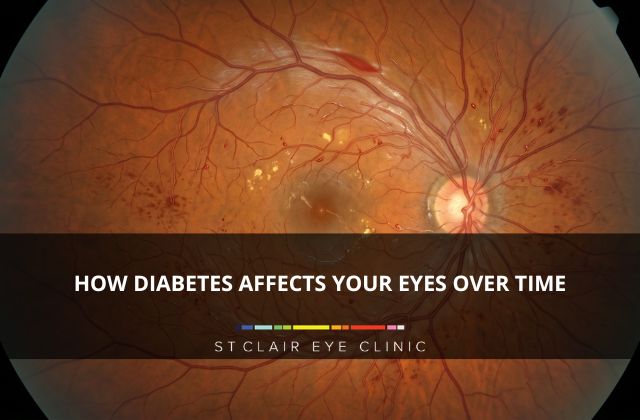
Diabetic retinopathy is the most common diabetes-related eye disease and one of the leading causes of preventable vision loss in adults. It develops when chronically elevated blood sugar damages the tiny blood vessels inside the retina, the light-sensitive tissue lining the back of the eye.
In the early stages, these weakened vessels may leak fluid or small amounts of blood. As the disease progresses, the retina may become deprived of oxygen, triggering the growth of fragile new blood vessels that bleed easily and can scar the retina. Over time, this can lead to permanent vision damage or retinal detachment.
One of the most concerning aspects of diabetic retinopathy is that significant retinal damage can occur before vision noticeably changes.
Diabetic Macular Edema
The macula is the part of the retina responsible for sharp, detailed central vision needed for reading, driving, and recognizing faces. Diabetes can cause fluid to leak into this area, leading to swelling known as diabetic macular edema.
Patients often notice:
- Blurred central vision
- Difficulty reading
- Washed-out colours
- Distorted or wavy lines
- Trouble focusing on fine details
Unlike some other diabetic eye conditions, macular edema can affect vision much earlier and more noticeably.
Cataracts and Glaucoma
People with diabetes tend to develop cataracts at younger ages and often experience faster progression. High blood sugar can alter the fluid balance inside the lens, causing clouding that gradually interferes with vision clarity and contrast.
Diabetes also increases the risk of glaucoma, a group of diseases that damage the optic nerve. In some cases, abnormal blood vessel growth can block normal fluid drainage within the eye, causing dangerous pressure buildup.
Because optic nerve damage is irreversible, early detection is critical, and working with a glaucoma specialist can make the difference between preserved and lost vision. Recognizing the early signs of glaucoma is especially important for diabetic patients, since both conditions can progress silently.
Risk Factors and Who Is Affected
Not everyone with diabetes develops serious eye disease at the same pace. Some patients experience only mild retinal changes after decades, while others develop vision-threatening complications much earlier.
Duration of Diabetes Matters
The longer someone lives with diabetes, the greater the cumulative stress placed on retinal blood vessels. Even well-managed diabetes carries some long-term risk because microscopic vascular changes can build gradually over time.
Patients who were diagnosed at a young age, particularly those with Type 1 diabetes, often require especially close monitoring as the years progress.
Blood Sugar Stability Is Just as Important as Average Levels
Many patients focus only on their A1C numbers, but large swings in blood sugar can also strain delicate retinal tissues. Repeated spikes and crashes may accelerate inflammation and vascular instability inside the eye.
This is why some patients with “acceptable” average glucose levels can still develop retinal complications if daily control remains inconsistent.
Other Health Conditions Increase Risk
Several overlapping health conditions can amplify diabetic eye damage:
- High blood pressure
- Elevated cholesterol
- Kidney disease
- Smoking
- Sleep apnea
- Obesity
- Pregnancy
These conditions affect circulation and oxygen delivery throughout the body, including the retina. When combined with diabetes, they can significantly increase the likelihood of bleeding, swelling, and retinal ischemia.
Symptoms and Warning Signs
Many diabetic eye diseases begin silently. Vision may seem completely normal while microscopic retinal damage continues progressing beneath the surface. When symptoms do appear, they should never be ignored.
Blurred or Fluctuating Vision
Changes in blood sugar can temporarily alter the shape and focusing power of the eye’s lens. Some patients notice their vision becomes blurrier after large meals or during periods of poor glucose control.
However, persistent or worsening blur may indicate retinal swelling, bleeding, or cataract progression rather than temporary glucose-related changes.
Floaters, Dark Spots, and Shadows
Bleeding inside the eye can appear as:
- Floating specks
- Cobweb-like strands
- Dark spots drifting across vision
- Sudden haze
A curtain-like shadow or sudden loss of peripheral vision may signal retinal detachment, which requires immediate emergency care. Learn more about why sudden vision changes are a medical emergency and when to act fast.
Reduced Night Vision and Contrast Sensitivity
Patients sometimes notice they can technically “see” but struggle more in dim lighting, during night driving, or when transitioning between bright and dark environments.
This often reflects subtle retinal dysfunction that may not yet be obvious on a standard vision chart.
Progression and Stages of Eye Disease
Diabetic eye disease rarely develops all at once. Instead, it tends to follow a progressive pattern, although the speed varies significantly between individuals.
Early Non-Proliferative Changes
In the earliest stages, retinal blood vessels weaken and develop tiny bulges called microaneurysms. Small amounts of fluid or blood may leak into the surrounding retinal tissue.
At this point, many patients still have perfectly functional vision.
Moderate to Severe Retinal Damage
As circulation worsens, parts of the retina begin losing adequate oxygen supply. Blood vessels may become blocked, increasing retinal stress and inflammation.
Cotton wool spots, hemorrhages, and widespread leakage can develop during this stage. Vision may start fluctuating more noticeably, especially if swelling affects the macula.
Proliferative Diabetic Retinopathy
This advanced stage occurs when the retina attempts to compensate for oxygen deprivation by growing abnormal new blood vessels.
Unfortunately, these vessels are fragile and unstable, and can:
- Bleed into the vitreous gel
- Cause scar tissue formation
- Pull on the retina
- Trigger retinal detachment
- Raise eye pressure dangerously
At this stage, rapid treatment often becomes necessary to preserve remaining vision.
Diagnosis and Eye Exams
Diabetic eye disease cannot be reliably detected based on symptoms alone. Comprehensive medical eye exams remain the most important tool for identifying damage early enough to intervene effectively.
Retinal Imaging Reveals Hidden Damage
Modern diagnostic imaging allows optometrists to examine microscopic retinal structures in extraordinary detail.
Advanced retinal photography and OCT imaging can identify:
- Fluid accumulation
- Retinal thickening
- Blood vessel abnormalities
- Nerve fibre changes
- Macular swelling
These technologies also allow doctors to compare images over time, making it easier to detect subtle progression before patients notice visual symptoms.
Dilated Eye Exams Are Essential
During a dilated eye exam, special drops widen the pupils so the retina and optic nerve can be fully evaluated.
Many patients delay dilation because of temporary light sensitivity or blurry near vision afterward. However, undilated exams can miss significant peripheral retinal disease that may already be progressing silently.
For diabetic patients, retinal evaluation is a medical assessment of retinal health and long-term vision risk, and is part of an ongoing eye disease diagnosis and management strategy.
Prevention and Vision Protection
Preventing diabetic vision loss requires more than occasional eye appointments. The most successful patients usually approach eye health as part of an overall vascular health strategy. Not sure how often you should be getting an eye exam as a diabetic patient? We can help you find the right schedule.
Blood Sugar Control Protects the Retina
Consistently stable glucose levels reduce stress on retinal blood vessels and help slow inflammatory damage inside the eye.
This does not mean perfection is required. Long-term consistency matters far more than occasional short-term fluctuations.
Blood Pressure and Cholesterol Control Matter More Than Many Realize
Retinal tissues depend on healthy circulation. Elevated blood pressure increases mechanical stress on already weakened blood vessels, while abnormal cholesterol contributes to vascular dysfunction and leakage.
Many patients are surprised to learn that controlling blood pressure can meaningfully reduce the risk of diabetic eye disease progression.
Lifestyle Habits Influence Eye Health
Several daily habits can directly affect retinal health, such as:
- Smoking cessation
- Regular exercise
- Sleep quality improvement
- Anti-inflammatory nutrition
- Medication adherence
- Hydration management
These factors influence circulation, inflammation, and oxygen delivery throughout the body, including the eyes.
Treatment Options
Treatment depends heavily on disease severity, retinal involvement, and how aggressively the condition is progressing.
Injectable Medications
Anti-VEGF injections are commonly used to reduce abnormal blood vessel growth and retinal swelling. These medications help stabilize the retina and can significantly improve vision in some patients.
Although many patients feel anxious about eye injections initially, modern techniques make the procedure much faster and more tolerable than expected.
Laser Treatment
Laser therapy may be used to seal leaking blood vessels or reduce oxygen demand within damaged retinal areas.
While laser treatment cannot restore dead retinal tissue, it can slow progression and help prevent catastrophic vision loss in advanced disease.
Vitreoretinal Surgery
In severe cases involving major bleeding or retinal detachment, surgery may become necessary. Vitrectomy procedures remove blood-filled vitreous gel and relieve traction on the retina.
Outcomes often depend on how early intervention occurs before permanent retinal damage develops.
Living with Vision Loss
Vision loss from diabetes affects far more than eyesight alone. It can alter independence, confidence, mobility, reading ability, employment, and emotional well-being.
Many patients initially resist low vision aids because they associate them with “giving up.” In reality, modern accessibility tools often help patients regain independence and remain active far longer than expected.
Low vision rehabilitation may include:
- High-powered magnification devices
- Enhanced lighting systems
- Electronic reading aids
- Contrast-enhancing technologies
- Large-format digital displays
- Mobility training
- Screen-reading software
Emotional adaptation is equally important. Patients experiencing progressive vision changes often benefit from counselling, support groups, and occupational therapy guidance to rebuild confidence and daily routines.
Protecting Vision Starts Before Symptoms Appear
One of the hardest realities about diabetic eye disease is that patients often feel fine while irreversible retinal damage quietly develops in the background. By the time vision noticeably changes, the disease may already be significantly advanced. That is why proactive monitoring matters so much more than reacting to symptoms alone.
At St. Clair Eye Clinic, we approach diabetic eye care as long-term medical management, not simply routine vision testing. Through advanced retinal imaging, comprehensive diabetic eye exams, and close monitoring of subtle retinal changes over time, we can often identify problems early enough to protect your vision before permanent damage occurs.
FAQs
Can diabetes damage your eyes even if your vision seems normal?
Yes. Many forms of diabetic eye disease develop gradually and without pain or obvious symptoms in the early stages. Significant retinal damage can occur long before vision noticeably changes, which is why regular diabetic eye exams are so important.
What are the first signs of diabetic eye disease?
Early symptoms may include blurry or fluctuating vision, floaters, dark spots, difficulty seeing at night, faded colours, or distorted central vision. However, some patients experience no symptoms at all until the disease becomes more advanced.
How often should people with diabetes get an eye exam?
Most people with diabetes should have a comprehensive dilated eye exam at least once per year, although some patients may require more frequent monitoring depending on retinal findings, blood sugar control, and overall risk factors.
Can diabetic eye damage be reversed?
Some treatments can reduce swelling, stabilize blood vessels, and slow progression, but damage to retinal tissue and the optic nerve is often permanent once it becomes advanced. Early diagnosis offers the best chance of preserving vision.
What is diabetic retinopathy?
Diabetic retinopathy is a diabetes-related eye disease caused by damage to the tiny blood vessels in the retina. Over time, these blood vessels can leak, bleed, or trigger abnormal vessel growth that threatens vision.
Does controlling blood sugar help protect eyesight?
Yes. Stable blood sugar levels help reduce stress and inflammation within retinal blood vessels, lowering the risk of diabetic eye disease progression. Blood pressure and cholesterol management also play a major role in protecting long-term eye health.
When should diabetic vision changes be considered an emergency?
Sudden vision loss, flashing lights, a curtain-like shadow, severe floaters, or rapid changes in sight should be treated as a medical emergency. These symptoms may indicate retinal bleeding or detachment and require immediate evaluation.